

Alkaline water has become a popular wellness trend, and many people now search for how to make alkaline water at home rather than buying expensive bottled versions. But is it worth the effort, and is it actually safe to drink every day?
If you are looking for the best ayurvedic doctor in Pune to understand how hydration fits into your overall health, this guide breaks down what alkaline water really is, simple home methods to make it, and the real, evidence-based benefits — without the exaggerated claims often seen online.
For readers exploring the best ayurvedic hospital in Pune for general wellness guidance, this article also covers important safety tips, so you know exactly how much is reasonable and who should be cautious.
With 14+ years of experience, Dr. Amit Kashid at Ashtang Ayurved Hospital often fields questions about hydration and water quality from patients. In this guide, he shares a balanced, practical perspective on alkaline water for drinking — grounded in both current research and Ayurveda’s traditional views on water.
Simply put, alkaline water is water with a higher pH level than regular tap water. Regular water has a neutral pH of around 7, while alkaline water typically has a pH between 8 and 9.
If you’ve searched “alkaline water kya hai” or wondered what alkalinity actually means — it simply refers to how basic (versus acidic) a liquid is on the pH scale, which runs from 0 (highly acidic) to 14 (highly alkaline).
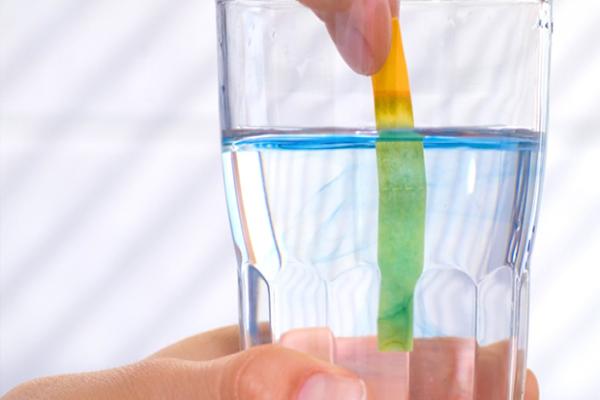
sourced from springs that pass over rocks and pick up minerals like calcium and magnesium, which raise the pH naturally
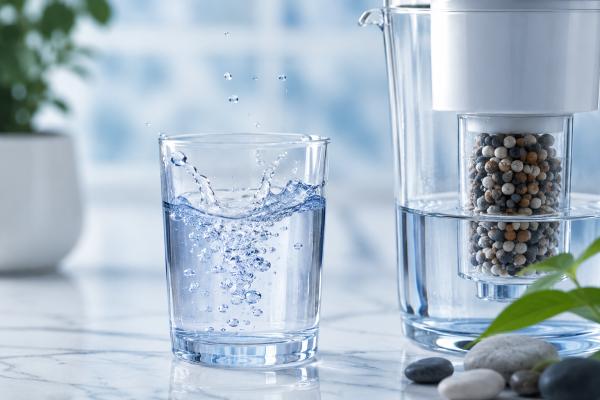
created using ionizers, filters, or additives like baking soda or pH drops
There’s a lot of buzz around the benefits of alkaline water, so let’s separate what research actually supports from what remains anecdotal.
Commonly claimed benefits: –
What the evidence says:
Some small studies suggest alkaline water may help neutralise stomach acid and offer mild relief for acid reflux in certain people. Claims about ionized water benefits for antioxidant effects and bone health are still largely preliminary, with more research needed before they can be considered well established.
The honest, balanced answer to “is alkaline water good for health” is: it may offer modest benefits for specific situations, but it isn’t a cure-all, and plain water remains perfectly adequate for most people’s daily hydration needs
If you want to know how to make alkaline water at home naturally, here are five simple methods, from easiest to most advanced.
Before regularly drinking homemade alkaline water, it helps to know what pH level you’re actually getting.
Most guidance for alkaline water for drinking suggests aiming for a pH between 8 and 9. Testing matters because it’s easy to over-alkalize water without realising it, especially with baking soda or concentrated pH drops.
While using alkaline water occasionally is generally considered safe for most healthy adults, Dr. Amit Kashid advises a few precautions worth keeping in mind:
On how much alkaline water can I drink a day, there’s no universally fixed number — most wellness sources suggest treating it as a part of your regular fluid intake rather than an exclusive replacement, and starting gradually to see how your body responds.
Healthy individuals generally don’t need to switch entirely to alkaline water — it can be a reasonable addition to your routine, not a mandatory replacement.
Myth: It “detoxes” the body. There’s no strong scientific support for alkaline water specifically flushing out toxins beyond what regular hydration already does.
Myth: It changes your blood pH. Your body tightly regulates blood pH within a very narrow range regardless of what you eat or drink — no food or water, alkaline or otherwise, meaningfully shifts it.
Myth: More alkaline is always better. A higher pH isn’t automatically healthier. Very high-pH water can actually cause digestive discomfort, so balance matters more than extremes.
Interestingly, Ayurveda has its own long-standing views on how water should be consumed for better health — separate from the modern alkaline water trend. Practices like Ushapan (drinking water first thing in the morning) and a general preference for warm water over cold water have been part of Ayurvedic routine for centuries.
Dr. Amit Kashid often explains to patients that Ayurveda’s focus has traditionally been less about the pH level of water and more about how, when, and at what temperature it’s consumed — alongside supporting Agni, or digestive fire. Alkaline water and Ayurvedic hydration practices aren’t in conflict; they simply come from different frameworks, and can reasonably be combined for most healthy individuals.
Here’s a fair summary: alkaline water is generally safe for most people in moderation, but it isn’t a miracle health fix. Simple home methods like lemon water or a pinch of baking soda are low-risk ways to try it without investing in expensive equipment.
If you have any underlying health condition, are on regular medication, or are considering making alkaline water a daily habit, Dr. Amit Kashid recommends checking in with a doctor first — especially since alkaline water benefits and risks can vary from person to person.
Making alkaline water at home is simple, with several low-cost methods ranging from adding a fresh slice of lemon to a pinch of baking soda. While the benefits can offer genuine support for mild acid reflux or temporary digestion issues, they are modest rather than miraculous. Alkaline water serves as a helpful addition to your routine, but it is not a substitute for a balanced diet, adequate everyday hydration, or specialized holistic care. If you have questions about how alkaline water fits into your daily routine, contact us to speak with our healthcare team.
If you are looking to treat underlying health issues, relying solely on home remedies isn’t enough. Incorporating proper Ayurvedic principles tailored to your unique body type ensures long-term vitality, optimal digestion, and natural balance. To explore authentic wellness treatments and personalized dietary guidance, visit Ashtang Ayurved Hospital and start your journey toward balanced living.
For comprehensive guidance on hydration, diet, and overall health, trust a renowned institution dedicated to your wellness. Dr. Amit Kashid and our experienced team at Ashtang Ayurved, a Best Ayurvedic hospital in Pune, provide personalized consultations and Panchakarma therapies designed for your complete body reset. Reach out today to schedule your expert consultation.
Simple methods include adding a small amount of baking soda, squeezing fresh lemon into water, or using an alkaline filter pitcher — no special equipment is required to get started.
For most healthy adults, moderate daily use is generally considered safe. However, people with kidney conditions or those on medication should check with a doctor first.
Most guidance suggests a pH between 8 and 9 is reasonable for regular drinking purposes.
Drinking excessively alkaline water can occasionally cause digestive upset or affect the body’s natural mineral balance, which is why moderation and testing pH levels are recommended.
Some people report relief from mild acid reflux symptoms with alkaline water, and limited research supports this, though it shouldn’t replace prescribed treatment for ongoing digestive issues.
WhatsApp us